9 min read
Forgetfulness in Old Age: What's Normal at 60, 70 and 80, and What Isn't
The car-keys rule doctors use to separate normal ageing from dementia, the reversible causes that get missed, two self-tests you can do at home, and what people over 60 say keeps them sharp.
A man about to turn 60 posted that he had left the bathroom tap running all day after brushing his teeth, and that names and proper nouns were slipping. A 62-year-old completely forgot a weekly appointment she had kept for years and was distressed enough to write it down for strangers. A 75-year-old who takes university courses to keep his brain working forgot the word “tuition” on the day it was due.
Every one of them asked the same thing: is this normal, or is it the start of something? The replies from doctors, psychologists and people in their 70s and 80s were consistent and reassuring, and they contained a few rules of thumb that are worth knowing before you spend a night reading about Alzheimer's.
The car-keys rule
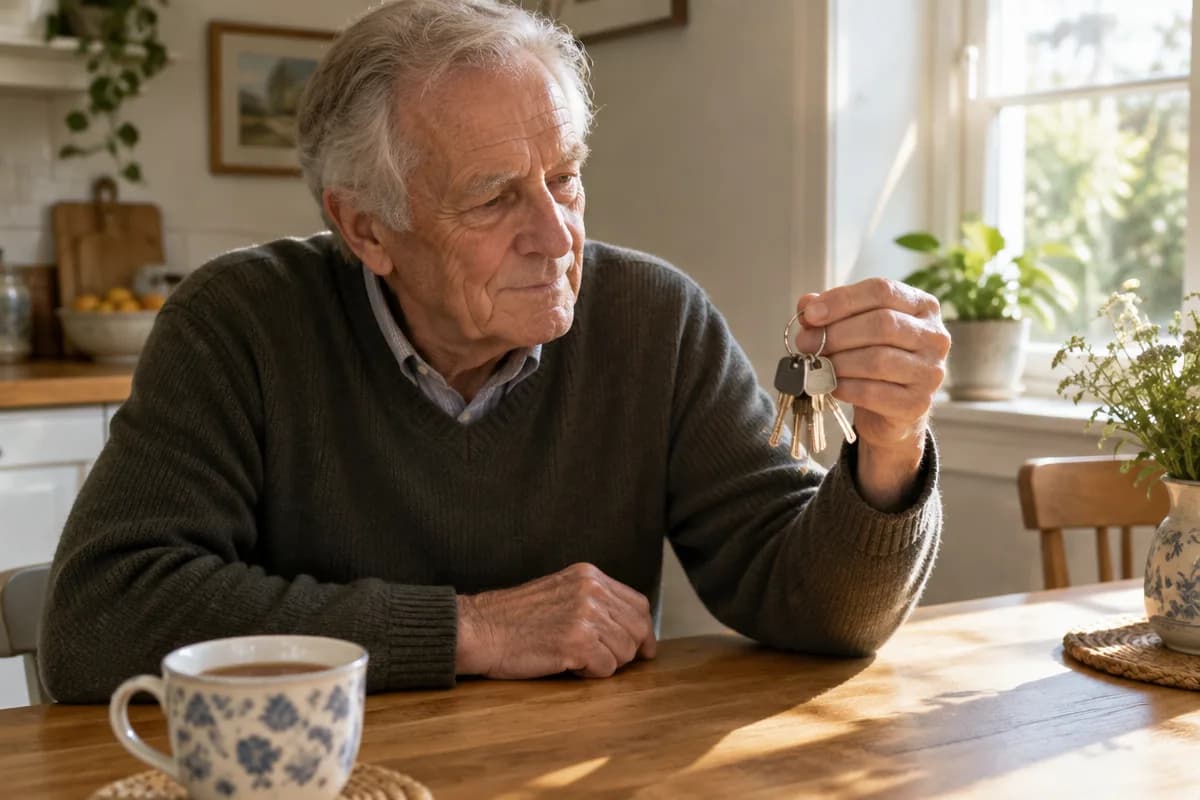
A doctor's explanation, repeated across several threads, has become the standard shorthand: if you lose your car keys a lot, that is ageing. If you forget what car keys are for, that is dementia. Normal ageing affects the recording and retrieval of recent detail: where you put something, the name that goes with a face, whether you already told this story. Dementia affects meaning, judgement and function: what things are, how to use them, where you are, how to do a task you have done for decades.
One woman described her 80-year-old mother, who repeats stories and sometimes forgets names but corrects herself immediately, lives alone, cooks, shops, drives, does her own banking and looks after neighbours. That is normal ageing with a full life attached. The key phrase is “corrects herself immediately.” People with early dementia often do not register the error.
Why normal forgetting increases with age
The brain records what it flags as important, and with age the flagging gets lazier and slower. Processing speed drops, so a name heard in a noisy room may never be encoded properly in the first place. Retrieval of rarely used words weakens because the connections are used less. And, as one 67-year-old put it, the database is simply bigger: seven decades of names, words and facts to search through. None of this is disease. It is the same reason you cannot sprint at 70 the way you did at 25, and, like fitness, it responds to training.
The causes that get missed, and are fixable
Before you or a family member conclude it is dementia, these need ruling out. Several are more common than dementia at any age, and all of them are treatable.
Vitamin B12 deficiency. Absorption drops with age and with common medicines like metformin and acid reducers. Low B12 produces memory loss, confusion and word-finding trouble that reverse with treatment. Ask for the test by name.
Thyroid. An underactive thyroid is common after 60 and slows thinking, memory and mood. A routine blood test.
Sleep apnoea. Loud snoring, waking unrefreshed and daytime sleepiness. Untreated apnoea starves the brain of oxygen hundreds of times a night and causes exactly the forgetfulness people worry about. A sleep study was the top suggestion for one commenter's 66-year-old father.
Medications. Sleeping tablets, older antihistamines, some bladder, pain and antidepressant medicines have anticholinergic effects that impair memory, and the effect adds up across a long prescription list. A pharmacist can review the list in ten minutes.
Alcohol. One woman's retired husband was found on scanning to have alcohol-related brain shrinkage. Two or three drinks a night is enough over years. It is partly reversible with abstinence.
Depression and boredom. Depression in older adults often presents as memory trouble rather than sadness, and the retired man with nothing to do all day is a recurring figure in these threads. Treating the mood and the emptiness improves the memory.
Hearing loss. What is not heard cannot be remembered, and untreated hearing loss is one of the largest modifiable risk factors for later dementia. Hearing aids help memory as well as hearing.
Go to your doctor and ask for blood tests. There are many things that affect memory, and most of them can be fixed.
Two self-tests you can do at home
Neither replaces an assessment, but both are the kind of thing a doctor would do first, and a good result is genuinely reassuring.
The clock test. Draw a clock face from memory, put in all the numbers, and set the hands to ten past eleven. Normal ageing produces a slightly wobbly but correct clock. Difficulty placing the numbers or the hands is a reason to be seen.
Animal naming. Set a one-minute timer and name as many animals as you can. Most healthy adults manage 15 or more. Fewer than 12 is worth mentioning to a doctor.
What people over 60 say keeps them sharp
Movement, especially dancing. A commenter cited a Harvard study saying only one exercise prevents dementia. The study is real, though it is from the Albert Einstein College of Medicine: among physical activities, frequent dancing was the only one associated with a lower dementia risk, likely because it combines exertion, learning and social contact. Line dancing, ballroom, anything with steps to remember.
Puzzles that make you produce. Jigsaws, crosswords, Scrabble and mahjong all came up. One woman took up jigsaws after brain surgery and reports being sharper than before. The common thread is retrieval and pattern-finding, not passive watching.
Deliberately not outsourcing memory. One 60-something forces herself to remember passwords instead of letting the phone fill them in. Small daily retrieval is exactly the exercise the ageing brain needs.
Learning with a deadline. The 75-year-old taking one university course at a time is doing the most evidence-based thing on this list. Novelty plus effort plus a reason to remember.
Sleep, vitamin D and omega-3. The three nutritional and lifestyle basics most repeated by doctors and users alike. Get the vitamin D level checked rather than guessing.
Writing it down without shame. A clinical psychologist in one thread praised a poster for encoding things verbally and said he would do the same. Lists and calendars are not giving up; they free attention for the things worth remembering.
Where a supplement fits
After the blood tests, after the sleep study if snoring is an issue, after the medicine review. A daily brain supplement is reasonable maintenance for people over 60 who have covered the basics, and it is how most of the people in these threads use one. The product we list for recall specifically is MemoVolt.
MemoVolt
MemoVolt is a 10-ingredient formula built around what its makers call dual defence: nutrients that support neurons and neural pathways, alongside ingredients that support insulin sensitivity, based on research into how the ageing brain fuels itself. It is positioned for memory, clarity and independence over the long term rather than as a quick fix, and it comes with a money-back guarantee. We earn a commission if you buy through our link.
See MemoVolt's presentationIn short
- Losing keys is ageing; forgetting what keys are for is dementia. Noticing and correcting your own errors is the reassuring sign.
- B12, thyroid, sleep apnoea, medications, alcohol, depression and hearing loss cause fixable memory loss and are more common than dementia.
- The clock test and one-minute animal naming are quick, meaningful home checks.
- Dancing, puzzles that make you retrieve, and learning with a deadline are what sharp 70- and 80-year-olds actually do.
- A supplement belongs after the blood tests, not instead of them.
This article may contain affiliate links. If you buy through them we may earn a commission at no extra cost to you. Nothing here is medical advice; talk to your doctor before starting any supplement.